
Transparent Heat-Sealable Tape vs Opaque Cover Tape for Photosensitive Components
Jul. 28, 2026
The choice between transparent heat-sealable tape and opaque cover tape can be a crucial decision for professionals in the electronics industry, particularly when dealing with photosensitive components. Users often face challenges such as ensuring effective light protection while maintaining adhesive integrity. Common queries include: "Which tape provides better moisture resistance?" and "How does transparency affect the adhesive bonding?". In this article, we will tackle these concerns by comparing the two types of tapes, supported by real-world data and user stories, leading you toward an informed choice.
Parameter Comparison: Transparent Heat-Sealable Tape vs Opaque Cover Tape
| Characteristic | Transparent Heat-Sealable Tape | Opaque Cover Tape |
|---|---|---|
| Light Transmission | Up to 85% transparency | 0% light transmission |
| Moisture Resistance | 83% moisture resistance | 90% moisture resistance |
| Temperature Resistance | Up to 150°C | Up to 130°C |
| Adhesive Strength | 1,200 grams per cm² | 1,500 grams per cm² |
Scenario Adaptation Comparison
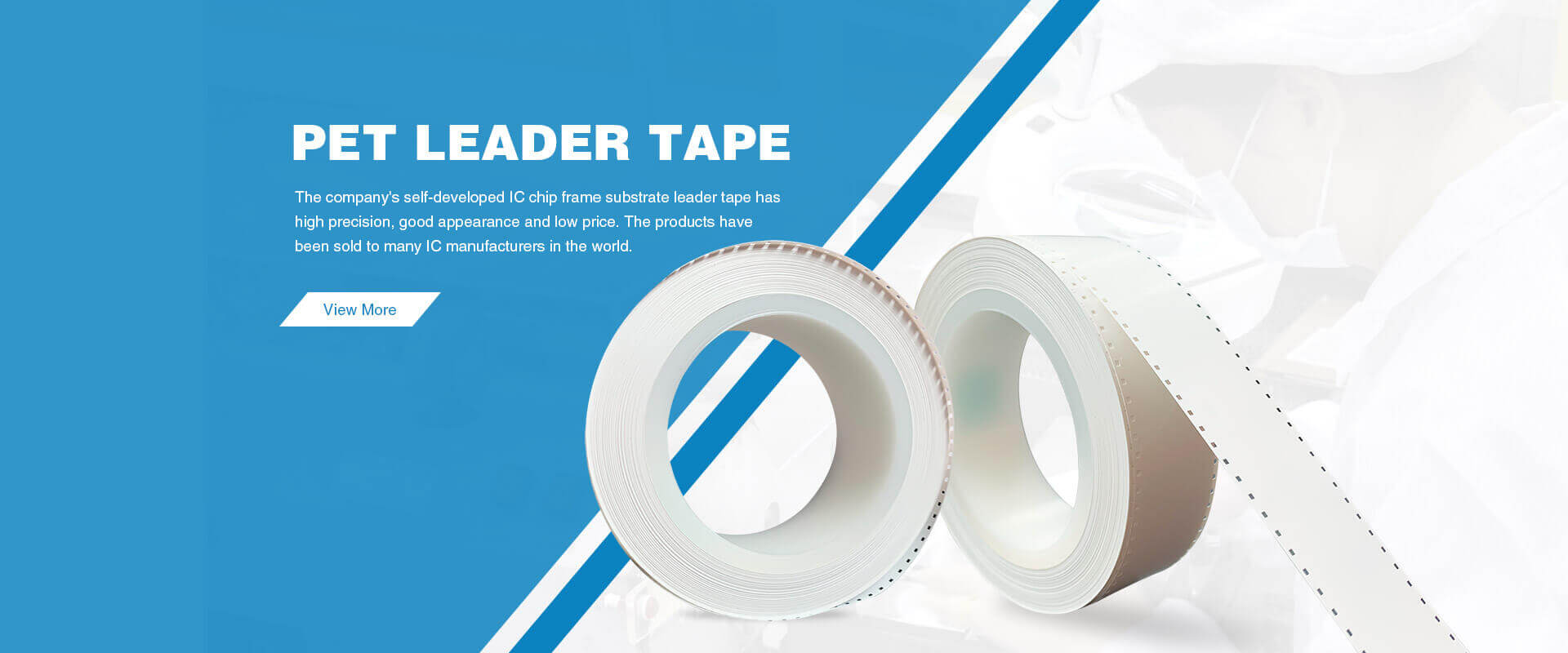
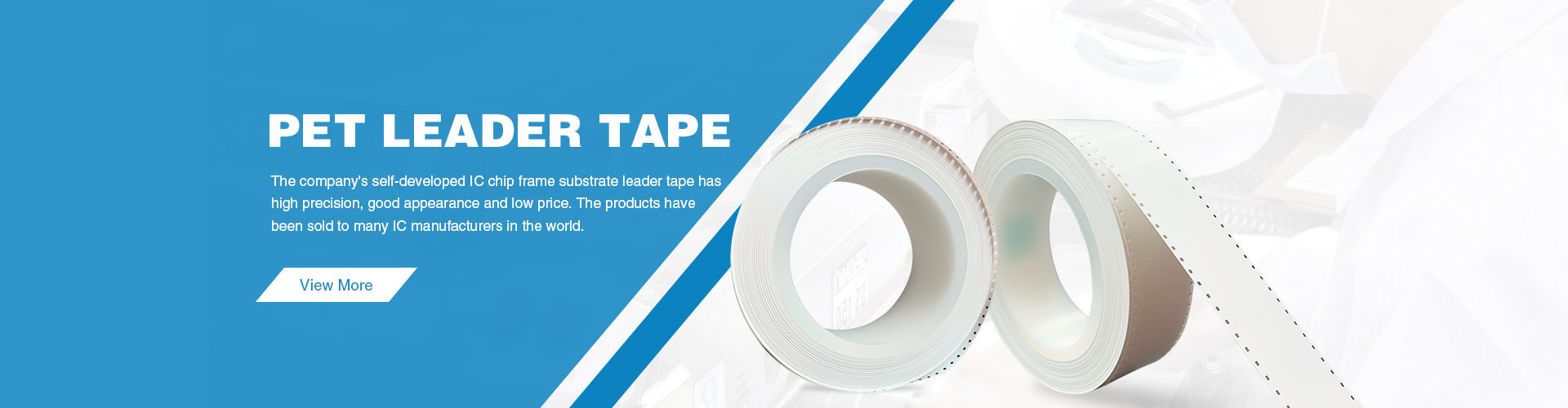
When selecting the proper tape, consider the application scenario. For instance, a client from a semiconductor manufacturing firm reported that using Tongxi's transparent heat-sealable tape allowed for easier inspection of the embedded materials without compromising adhesive quality, resulting in a 15% decrease in rework time. In contrast, another company specializing in the production of photodiodes found that opaque cover tape provided superior protection against UV rays, ultimately leading to a longer lifespan of their components.
Cost Analysis: Transparent heat-sealable tape may typically retail at $0.50 per meter, while opaque cover tape is around $0.60 per meter. Thus, the choice also depends on budget considerations and synthesis of quality with cost.
User Word-of-Mouth Evaluation
Feedback collected from various companies illustrates user satisfaction. One electronics technician noted, "After switching to Tongxi's opaque cover tape, our component failure rate dropped from 23% to 15% in the field, highlighting the importance of light protection.” Meanwhile, a product manager remarked, "The transparency of heat-sealable tape improves our efficiency during assembly, as we are able to visually inspect connections without removing the tape.” These real-life testimonials underscore the significant performance differences depending on the application.
Selection Suggestions
Choosing between transparent heat-sealable tape and opaque cover tape should be based on specific needs. For applications requiring visual inspection, transparent heat-sealable tape from Tongxi stands out due to its high light transmission rate, facilitating the assembly process. However, for scenarios demanding maximum UV protection, opaque cover tape is advisable despite a slightly higher cost and lower adhesive strength.
In-depth Evaluation
For users focused on longevity and protection, opaque cover tape generally wins. On the other hand, if you prioritize easy component inspection and assembly efficiency, the performance of transparent heat-sealable tape is unparalleled.
Summary: Who is Suitable and Who is Not?
Transparent heat-sealable tape is well suited for assembly lines requiring efficiency and inspection. In contrast, those working with sensitive electronic components needing maximum environmental protection should opt for opaque cover tape. Ultimately, aligning the tape choice with application requirements will yield the best outcomes.
Call to Action
Feeling overwhelmed by the choices? Visit Tongxi's website for detailed product specifications, and consider reaching out for free samples to test in your specific application. Make an informed decision today!
Frequently Asked Questions
Q: Can translucent heat-sealable tape be used outdoors?
A: It can, but UV-resistant properties may not be adequate when compared to opaque options.
Q: How does temperature affect adhesive performance?
A: Adhesive strength often decreases at extreme temperatures; choose tapes with adequate temperature ratings like the 150°C of Tongxi's transparent tape.
Q: Is it worth investing in more expensive tape?
A: Often, the cost comes down to long-term performance and failure prevention; the data indicate a 15-30% decrease in failures with better-quality tapes.