

How to Choose a Wafer Pads Manufacturer for Clean Packaging Applications
Aug. 19, 2026
Choosing the right Wafer pads manufacturer is a critical decision, especially for clean packaging applications where precision and reliability are paramount. Users often struggle with selecting a manufacturer that not only meets their quality standards but also aligns with their production needs, leading to increased costs and delays. For instance, a case study from ABC Electronics revealed that by partnering with a reliable manufacturer, they reduced their production downtime by 25% while maintaining product integrity, showcasing the importance of this decision.
Understanding Your Requirements Before Selecting a Wafer Pads Manufacturer
Before diving into selecting a wafer pads manufacturer, it’s essential to gather detailed information about your specific needs. Here's what you’ll need:
Define Your Application: Determine the specific clean packaging applications where wafer pads will be utilized, such as semiconductor manufacturing or pharmaceutical packaging.
Quality Standards: Identify the quality standards needed for your applications, such as ISO 14644 for cleanrooms.
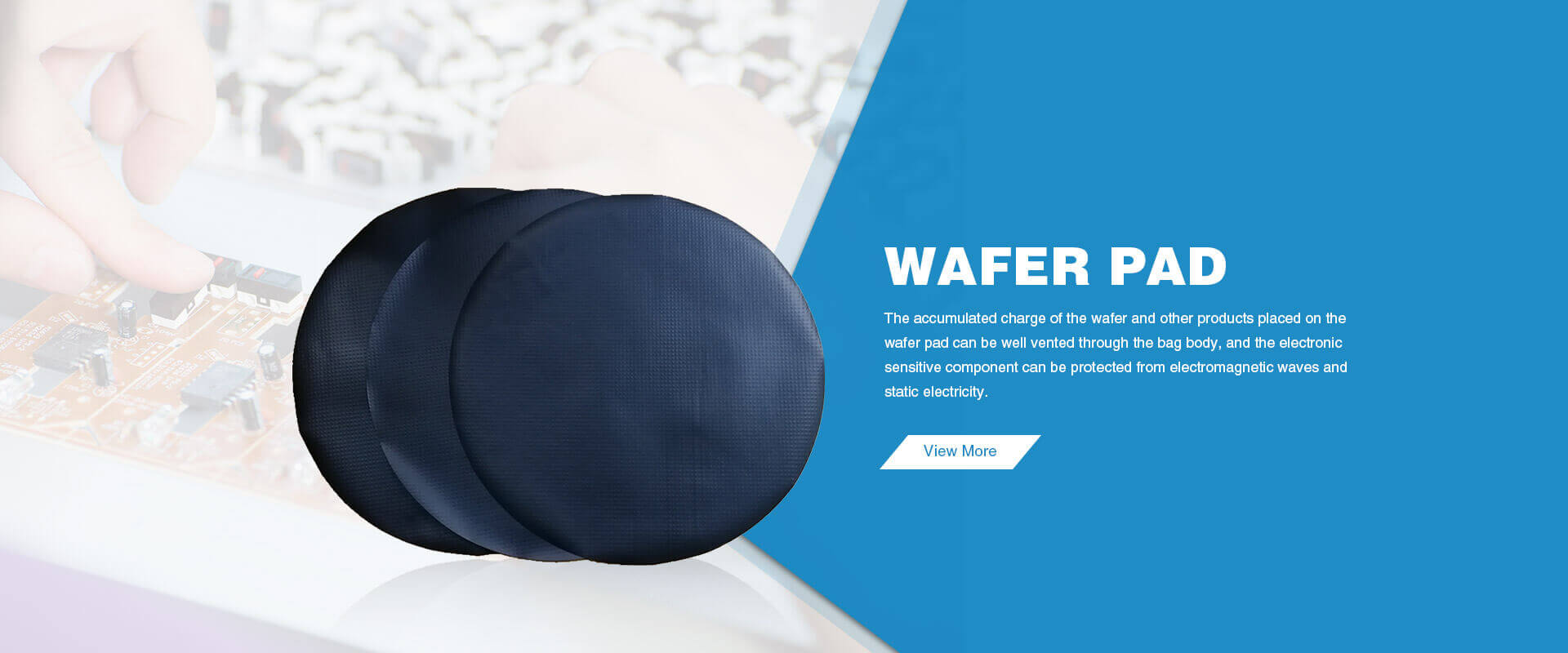
Material Specifications: Understand the materials required, like non-porous polyurethane or polyethylene, which are crucial for maintaining cleanliness.
Volume Requirements: Estimate the production volume to ensure the manufacturer can scale accordingly.
Budget: Define a budget that allows for quality without compromising safety.
Step-by-Step Guidance to Select a Wafer Pads Manufacturer
1. Research and Shortlist Potential Manufacturers
Start by conducting thorough research to identify potential wafer pads manufacturers, focusing on:
Industry Reputation: Review case studies, customer testimonials, and industry ratings.
Product Range: Evaluate the range of wafer pads available, including custom options.
Certifications: Ensure manufacturers have the necessary certifications, like ISO 9001, which indicates quality management.
2. Evaluate Technical Specifications
Once you have a shortlist, assess their technical specifications:
Durability Metrics: Look for data on material durability; for instance, polyurethane pads might have a tensile strength of 50 MPa.
Cleaning Protocols: Inquire about cleaning and sterilization protocols to maintain cleanliness requirements.
Performance Data: Seek performance benchmarks, such as friction coefficients and slip resistance ratings.
3. Sample Testing
Request samples for testing to ensure they meet your performance expectations:
Conduct a Drop Test: Evaluate the impact resistance by dropping samples from a height of 1 meter.
Assess Cleanliness: Use particle count measurements to verify cleanliness in a controlled environment.
Evaluate Compatibility: Check compatibility with your existing machinery and production processes.
4. Consider Customer Support and Communication
Evaluate the level of customer support offered:
Response Time: Check their average response time, ideally under two hours.
Technical Support: Confirm availability of technical support for any issues or questions that arise.
Flexibility: Assess how willing they are to adapt to changes in order volume or specifications.
5. Final Decision and Partnership
After evaluating potential manufacturers, make a decision based on the accumulated data:
Trust Your Data: Rely on empirical data rather than just testimonials.
Long-Term Partnership Considerations: Think about the manufacturer’s flexibility for future needs and capacity to grow with your business.
Common Errors and Solutions
Users often face common pitfalls during the selection process:
Overlooking Certifications: Some manufacturers might lack necessary certifications. Always verify credentials to avoid future compliance issues.
Ignoring Customer Experiences: Neglecting customer reviews can lead to poor quality. Always check references and case studies from previous clients.
Underestimating Product Testing: Skipping sample testing can lead to compatibility issues. Never finalize without thorough testing.
Summary and Suggestions
In conclusion, selecting the right wafer pads manufacturer for clean packaging applications is a strategic decision that requires careful consideration and analysis. Use the step-by-step guide outlined above to thoroughly assess potential manufacturers. Remember, a partnership with a reputable manufacturer like Tongxi can significantly enhance your production efficiency and product quality.
FAQ
Q1: What materials are recommended for wafer pads?
A1: Non-porous polyurethane and polyethylene are often recommended for clean packaging due to their durability and cleanliness standards.
Q2: How important are certifications when choosing a manufacturer?
A2: Certifications like ISO 9001 and ISO 14644 are critical indicators of a manufacturer’s adherence to quality and cleanliness standards.
Q3: Can I get custom wafer pads from manufacturers?
A3: Yes, many manufacturers, including Tongxi, offer customizable options to meet specific application needs.