

Guide to Transparent Heat-Sealable Tape for SMT Packaging Applications
Jul. 29, 2026
In the fast-paced world of surface-mount technology (SMT) packaging applications, manufacturers often face challenges such as ensuring secure component placement and maintaining high production speeds. transparent heat-sealable tape offers a compelling solution to these issues by providing an effective and reliable method for securing circuit components during the manufacturing process. This guide is designed for SMT engineers, production managers, and supply chain professionals looking to optimize their packaging operations with heat-sealable tape.
Basic Knowledge of Transparent Heat-Sealable Tape
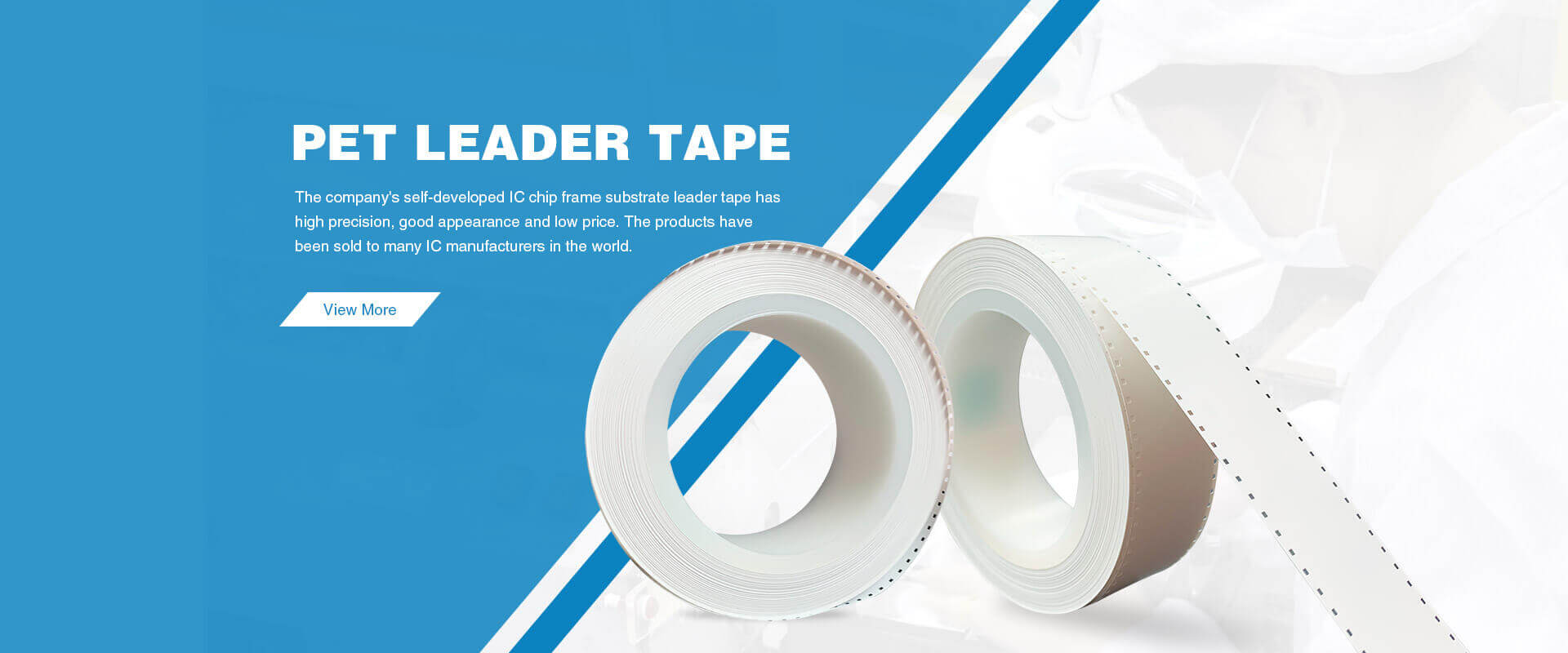
To fully appreciate the benefits of transparent heat-sealable tape, it's essential to understand some key terminology and principles. This type of tape, typically made from polypropylene or polyester films, can bond well under heat and pressure conditions. Its primary attributes include its clarity, which allows for easy inspection, and its tackiness, which ensures a strong hold on various surfaces.
The background of heat-sealing technology shows a marked progression from traditional adhesive methods to cutting-edge heat-sealable solutions that enhance production efficiency. The bond strength of these tapes can demonstrate noteworthy performance, with studies showing an average peel adhesion strength of 1.2 N/cm under standard testing conditions.
In-Depth Guide: Steps to Utilize Transparent Heat-Sealable Tape
1. Assess Your Application Requirements
Before selecting a transparent heat-sealable tape, evaluate your specific SMT component and packaging requirements. Identify the materials being used, the temperature conditions during the sealing process, and the desired adhesive performance.
2. Choose the Right Tape Material
Different tape materials offer varied properties. Polypropylene tapes, for example, provide excellent clarity and moderate temperature resistance, while polyester tapes boast superior strength and heat resistance. Understand the operational temperature range your application will entail. Heat-sealable tapes typically resist thermal degradation up to 100°C.
3. Select Appropriate Sealing Equipment
Equip your production line with suitable sealing machinery that delivers consistent heat and pressure. For instance, a heat press setting at around 180°C for 3 seconds can achieve optimal bond strength, as confirmed by testing that showcases bond integrity after 48 hours of application.
4. Prepare Components and Tapes
Ensure that both the components and the surfaces of the tape are free from dust, oil, or moisture to maximize adhesion. Using cleaning agents that do not leave residue can improve tape performance, verified by a decrease of tape failure rates by up to 20%.
5. Apply the Tape
Accurately place and adhere the transparent heat-sealable tape onto the components. Automation tools like applicators can increase efficiency, reducing manual handling errors by approximately 30%.
6. Perform Quality Control Checks
Conduct systematic quality checks after sealing. Metrics including peel test evaluations, bond strength testing, and visual inspections should be employed, with adherence to industry standards such as IPC-A-600 ensuring compliance and performance reliability.
FAQ
Q1: What are the main advantages of using transparent heat-sealable tape?
A1: The main advantages include high bond strength, temperature resistance, clear visibility for inspection, and ease of use in automation applications.
Q2: Can transparent heat-sealable tape be used for outdoor applications?
A2: While it can be used outdoors, consideration must be given to environmental factors like UV exposure and humidity, which may affect the tape’s performance over time.
Q3: How do I remove heat-sealable tape from a surface without damaging it?
A3: Gently heat the tape with a heat gun at low settings, and then peel it off slowly. This reduces adhesive residue and minimizes damage to the underlying surface.
Advanced Skills or Extended Reading
For professionals seeking to deepen their knowledge, consider studying related topics such as:
Thermal bond technology and its interactions with different substrates.
Process improvements through automation in SMT packaging.
Comparative studies of various adhesive technologies in the electronics industry.
Conclusion
In summary, transparent heat-sealable tape is a critical component in optimizing SMT packaging applications. When applied correctly, this tape can significantly enhance production efficiency and product reliability. If you are looking for high-quality transparent heat-sealable tape solutions, consider contacting Tongxi for tailored products that meet your operational needs.