
Guide to HAA Cover Tapes for Electronic Component Packaging
Jul. 28, 2026
HAA cover tapes have emerged as an essential component in electronic component packaging, providing robust protection and enhancing the integrity of delicate devices during transport and assembly. This guide aims to explore the various features, benefits, and best practices associated with HAA cover tapes, ensuring you make informed choices when selecting and utilizing these vital materials in your packaging processes.
What are HAA Cover Tapes?
- Definition and Composition: HAA (High-Temperature Adhesive) cover tapes are specialized materials designed to protect components during packaging and shipping. They typically comprise a polymer film with adhesive coatings that can withstand high temperatures.
- Importance in Electronic Packaging: These tapes safeguard sensitive electronic parts from dust, moisture, and mechanical damage, ensuring functionality upon arrival.
Key Benefits of HAA Cover Tapes
- High Thermal Resistance: HAA cover tapes are engineered to endure high temperatures, making them suitable for reflow soldering processes.
- Minimal Adhesive Residue: They provide excellent adhesive properties without leaving significant residue upon removal, preventing damage to components.
- Compatibility: These tapes are compatible with various substrates, including PCBs (Printed Circuit Boards) and other electronic components, providing versatility.
Choosing the Right HAA Cover Tape
- Assessing Temperature Tolerance: Identify the specific temperature range your components will endure and select tapes that can exceed these limits.
- Evaluating Adhesive Strength: Consider the requirements for adhesion strength based on the application's longevity and environmental conditions.
- Consult Manufacturer Specifications: Always refer to technical data sheets provided by manufacturers like Tongxi to ensure compatibility and performance expectations
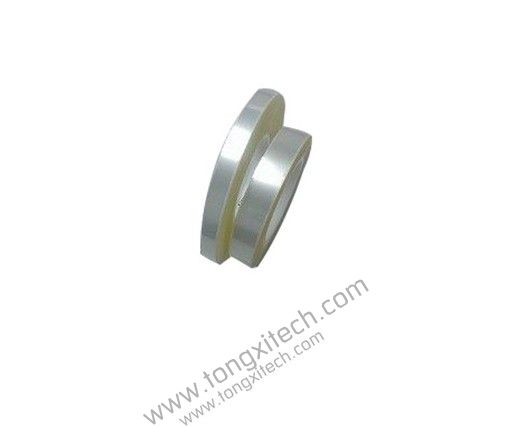 Tongxi HAA Cover Tape">
Best Practices for Using HAA Cover Tapes
- Surface Preparation: Clean the surfaces before applying the tape to ensure maximal adhesion and avoid contaminations.
- Application Techniques: Use consistent pressure during application to avoid air bubbles and ensure complete contact.
- Storage Conditions: Store rolls of HAA cover tape in a cool, dry environment to preserve their adhesive properties.
- Periodic Testing: Regularly test tape performance under application conditions to guarantee they meet your expectations.
Industry Applications and Considerations
- Automotive Electronics: Discuss the necessity for high-temperature conditions and protection against vibrations in automotive applications.
- Consumer Electronics: Outline the importance of appearance and protection in products like smartphones and tablets.
- Medical Devices: Highlight stringent regulations and standards that dictate the use of reliable packaging materials.
Future Trends in HAA Cover Tapes
- Sustainable Materials: Explore innovations in creating eco-friendly HAA cover tapes.
- Smart Packaging Solutions: Discuss advancements in integrating smart features, such as condition monitoring and tracking technologies.
- Emerging Applications: Look into new sectors that might adopt HAA cover tapes beyond traditional electronics.
Conclusion
The use of HAA cover tapes in electronic component packaging plays a vital role in ensuring the safety and reliability of essential electronic devices. By understanding their benefits and application techniques, as well as staying abreast of industry innovations, manufacturers can optimize their packaging strategies for better product performance and customer satisfaction.
Additional Considerations for HAA Cover Tape Usage
- Regulatory Compliance: Ensure that the HAA cover tapes used comply with industry regulations and standards, especially in sensitive sectors like healthcare.
- Cost-Effectiveness: Analyze various brands and options to find the best balance between quality and cost, ensuring your packaging is both efficient and economical.