


Guide to Carrier Tape Manufacturer Selection for IC Packaging Buyers
Aug. 03, 2026
The selection of a reliable Carrier Tape manufacturer is crucial for integrated circuit (IC) packaging buyers in the competitive electronics industry. When looking for the right manufacturer, buyers often face challenges such as inconsistent product quality, supply chain disruptions, and delays in delivery. A systematic guide that addresses these pain points is essential for ensuring they make the right choice. This article provides a comprehensive framework to assess carriers, highlight industry standards, and offer actionable insights to streamline the purchasing process while enhancing product reliability efficiently.
Basic Knowledge: Understanding Carrier Tape and Its Importance
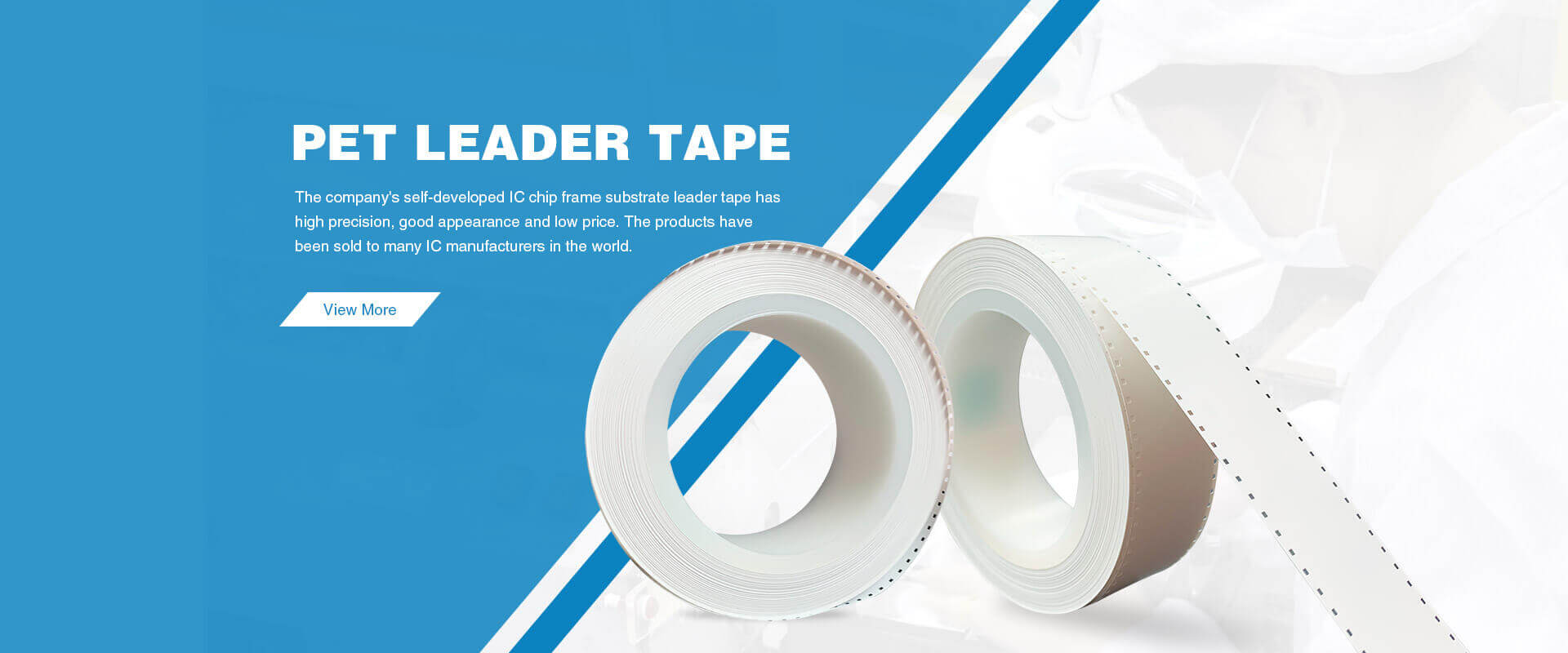
Before diving into the selection process, it's imperative to understand key terms associated with carrier tape manufacturing. Carrier tape refers to the plastic or paper material used for packaging ICs during transport and storage. Its principal functions include providing mechanical support, protecting components from damage, and facilitating automated assembly processes.
Key terminology includes:
Embossing: The process of creating pockets in carrier tape to securely hold ICs. Standards dictate specific pocket dimensions for various package types.
Pitch: The spacing between the centers of two adjacent pockets, typically measured in millimeters (mm). For example, a standard pitch for ICs is often around 12 mm.
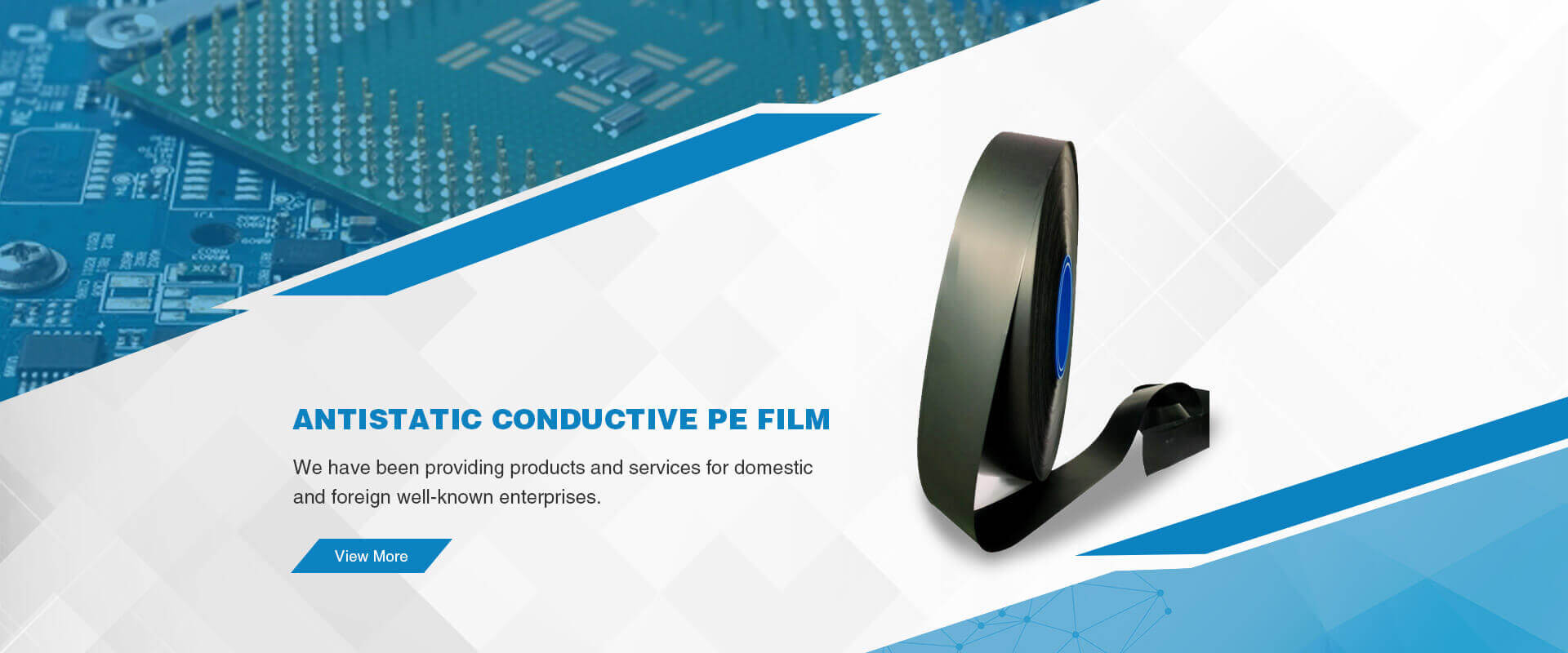
Static Dissipative Properties: Essential to avoid electrostatic discharge (ESD) that can damage sensitive electronic components. Carrier tapes often meet ESD specifications measured at<0.5% TR (Tape Resistance).
In-Depth Guide to Selecting a Carrier Tape Manufacturer
1. Define Your Requirements
Before reaching out to manufacturers, clearly outline your specific requirements: the types of IC packages, volume needed, and required material specifications (polypropylene or polycarbonate). Understanding your needs can substantially narrow down your options.
2. Research Potential Manufacturers
Make a list of potential carrier tape manufacturers using online resources and industry recommendations. Focus on companies that have a proven track record in IC packaging. Consider firms like Tongxi, known for their advanced carrier tape solutions that align with international quality standards.
3. Evaluate Manufacturer Capabilities
Investigate each manufacturer’s capabilities by reviewing:
Production capacity: A capable manufacturer should handle sizable orders and deliver within specified lead times.
Technological expertise: Advanced technologies ensure precise embossing and minimal defect rates. Aim for defect rates of<1%.
Quality assurance processes: Whether they utilize ISO and IPC standards as benchmarks for quality control.
4. Request Samples
Before finalizing a contract, obtain samples from shortlisted manufacturers. Testing these samples against your specifications is critical. Ensure they meet the JEDEC standards and perform under various environmental conditions (e.g., humidity, temperature).
5. Assess Customer Service and Support
Evaluate the customer support provided by the manufacturer. Quick response times to inquiries and readiness to assist with technical questions can enhance your working relationship. An ideal turnaround time for responses should be within 24 hours.
6. Check References and Reviews
Ask the manufacturer for references from other clients. Verify their reputation through reviews, focusing on aspects like reliability, customer service, and product quality.
FAQ: Carrier Tape Manufacturing
Q1: What is the typical lead time for carrier tape orders?
A1: Lead times can vary by manufacturer and order size but are generally between 2 to 6 weeks for standard products.
Q2: What materials are commonly used in carrier tape?
A2: The most common materials are polypropylene and polyethylene for their durability and ESD properties.
Q3: How do I ensure the carrier tape is compatible with my IC packaging?
A3: Check the tape dimensions, pocket size, and material specifications against your IC dimensions. It's best to work closely with manufacturers like Tongxi for tailored solutions.
Advanced Skills or Extended Reading
For a deeper understanding of carrier tape manufacturing, consider researching the following topics:
Recent advancements in ESD protective materials.
Quality standards in the semiconductor industry.
Case studies on defective tape impacts on IC yield rates.
Conclusion: Recommended Products and Services
When looking for the ideal carrier tape manufacturer, it's essential to choose one that meets your precise requirements and adheres to high-quality standards. Tongxi offers a range of customizable carrier tape solutions that can cater to various IC packaging needs efficiently and reliably. For inquiries and assistance, visit Tongxi's website to explore their offerings.