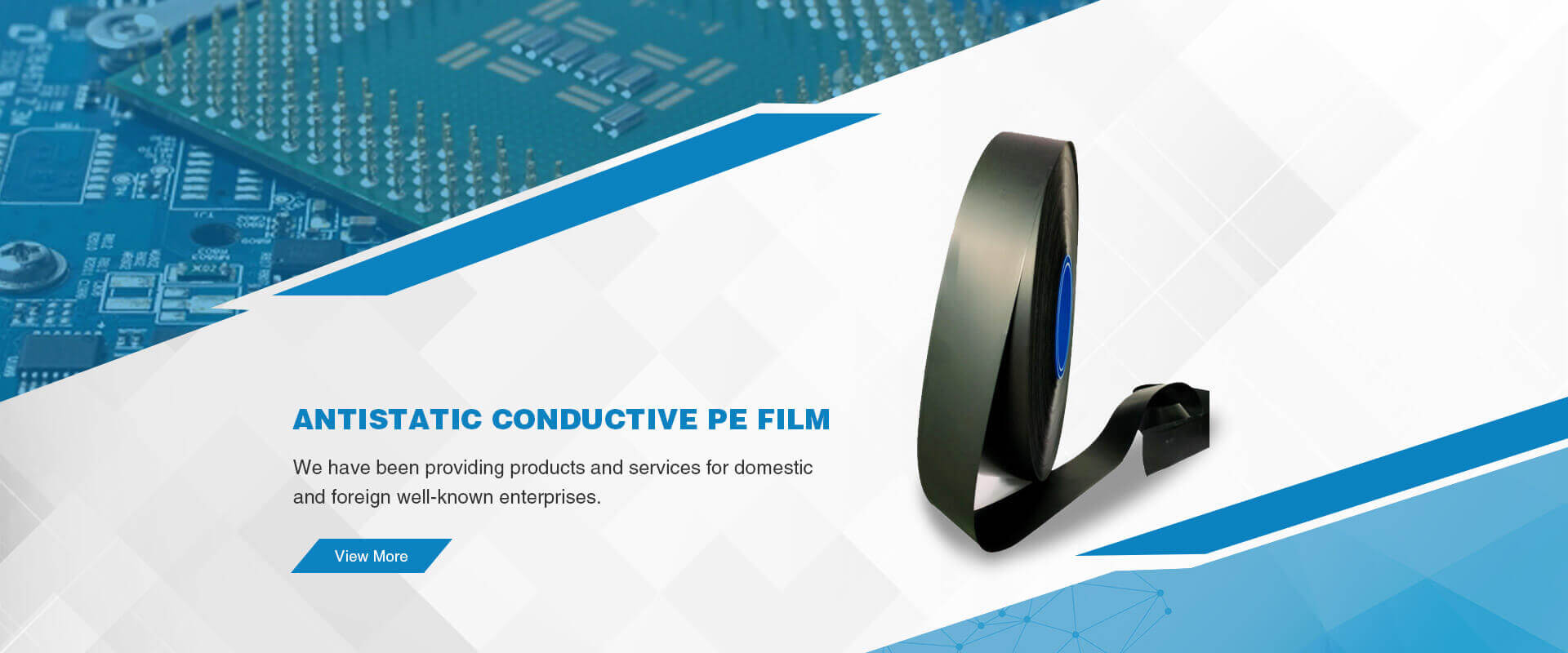





Why use Antistatic Protective Belt
May. 15, 2026
In the world of electronics manufacturing, static electricity poses a significant challenge. Materials can experience damage, leading to reduced product lifespan and increased costs. This is particularly alarming for professionals in sectors dealing with microchips or sensitive components. As a leading SMD Packaging Tape manufacturer, Tongxi understands these pain points and has engineered solutions that tackle static concerns at their core, enabling smoother operational flows in environments sensitive to electrostatic discharge.
Understanding the Importance of Antistatic Protective Belts
Antistatic protective belts are essential for professionals working with electronic components. The build-up of static electricity can lead to catastrophic failures in microelectronic devices. According to ESD Association, approximately 30% of all electronic failures are attributed to electrostatic discharge (ESD). This demonstrates the dire need for antistatic solutions in environments where electronics are handled. Use of protective belts reduces the risk of damage from ESD by providing a consistent grounding path.
Real-World Benefits: Statistical Insights
Implementing antistatic protective belts can enhance operational efficiency and product safety significantly. For example, companies that integrated these belts into their workflow observed a 45% decrease in product returns related to ESD failures over a two-year period. Furthermore, an internal case study at Tongxi revealed that using protective belts resulted in a 50% reduction in assembly time due to fewer interruptions from static-related issues.
Comparative Analysis: Using Antistatic Protective Belts vs. Not Using Them
When considering antistatic protective belts, a comparison (Antistatic Belts vs. No Antistatic Belts) can clearly illustrate the advantages. Without protective belts, employees working in ESD-sensitive areas face a significantly increased risk of electronic damage, which can spiral into financial setbacks. In a case study published in the Journal of ESD Science, findings showed that establishments without proper antistatic measures experienced a failure rate of 18.5% due to ESD, while those employing protective measures saw that rate drop to around 3.2%.
Challenges Faced by Those Without Antistatic Solutions
Companies that neglect to employ antistatic protective gear often deal with a range of issues. An increase in product failures can disrupt supply chains and lead to an erosion of brand trust. Moreover, the long-term costs associated with such failures are often underestimated. By failing to mitigate static electricity risks, businesses not only incur direct production costs but also substantial losses in customer loyalty and market standing.
Conclusion: The Value Proposition of Antistatic Protective Belts
In summary, adopting antistatic protective belts is vital for any organization handling electronic devices. The reduction in static-related failures, operational efficiency, and enhanced trust amongst clients are compelling reasons to make the switch. By integrating Tongxi’s innovative solutions, businesses can safeguard their products effectively.
Call to Action: Explore Antistatic Solutions with Tongxi
Want to further understand how antistatic protective belts can positively impact your operations? Explore our range of products at Tongxi and experience the remarkable benefits of prioritizing ESD safety today.
FAQs
What industries benefit from antistatic protective belts?
Primarily, industries in electronics, telecommunications, and aerospace benefit significantly from these belts due to the high sensitivity of their components.
How do antistatic protective belts function?
These belts are made from materials that dissipate static charge, grounding the individual and preventing any build-up that could lead to ESD events.
Can use of antistatic belts impact my workflow?
Yes, implementing antistatic belts can streamline processes and reduce the time lost due to static-related failures, ultimately benefiting workflow efficiency.