


Anti-static ESD Tape vs PCB Conductive Tape: What Is the Difference?
Oct. 12, 2026
Understanding Anti-static ESD tape
What is Anti-static ESD Tape?
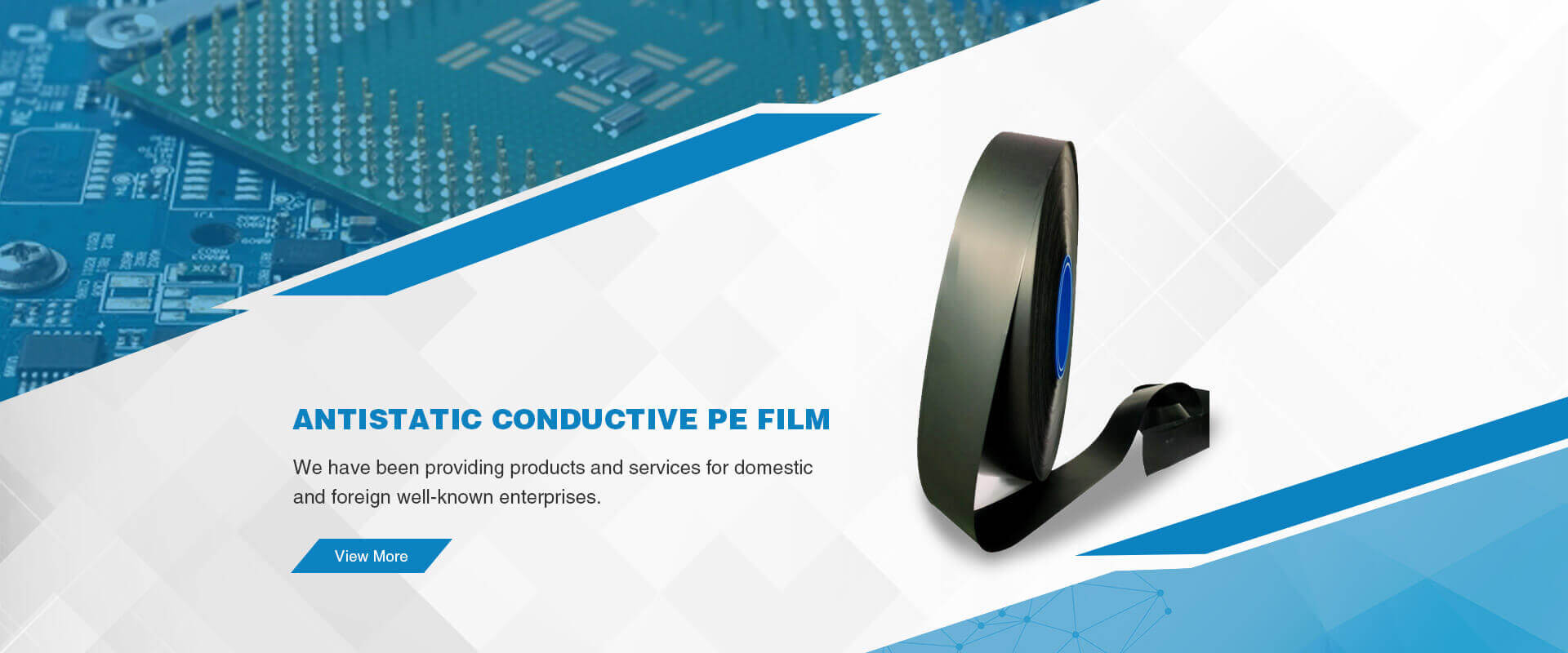
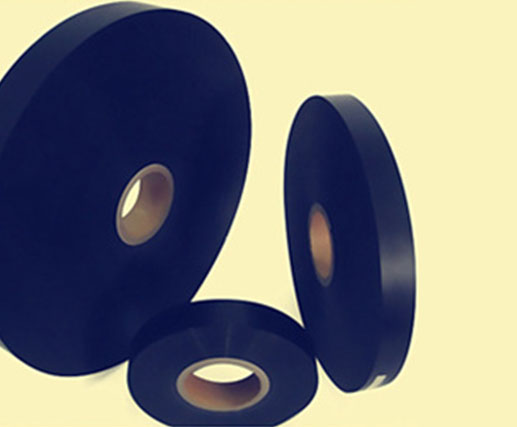
Anti-static ESD tape is designed to prevent static electricity buildup, making it essential for environments where electronic components are handled. It dissipates static charges, protecting sensitive electronic items from potential damage.
Applications of Anti-static ESD Tape
This type of tape is commonly used in the electronics manufacturing sector, clean rooms, and for packaging static-sensitive devices. Its main function is to minimize the risk of Electrostatic Discharge (ESD) during the manufacturing and handling processes.
Discovering PCB Conductive Tape
What is PCB Conductive Tape?
PCB conductive tape features a conductive adhesive and is primarily used for creating electrical connections. This tape is vital for grounding and shielding purposes, ensuring that the performance of PCB circuits is not compromised.
Applications of PCB Conductive Tape
Typically, this tape is used in PCB repairs, grounding of components, and EMI (electromagnetic interference) shielding in various electronic applications. Its superior conductive properties allow for reliable connections.
Key Comparison: Anti-static ESD Tape vs PCB Conductive Tape
Core Parameter Comparison Table
| Feature | Anti-static ESD Tape | PCB Conductive Tape |
|---|---|---|
| Purpose | Static electricity prevention | Electrical connections |
| Material Type | Polyester with conductive coating | Conductive polymer or aluminum foil |
| Adhesive Type | ESD-safe adhesive | Conductive adhesive |
| Usage | Packaging, storage, handling | Grounding, repairs, shielding |
Advantages and Disadvantages
When deciding between anti-static ESD tape and PCB conductive tape, it is crucial to consider their respective advantages and disadvantages.
Anti-static ESD Tape:
Not suitable for electrical connections.
Limited lifespan in exposure to heat.
Protects delicate electronic components from ESD damage.
Maintains a safe working environment.
Advantages:
Disadvantages:
PCB Conductive Tape:
Does not offer static protection.
Can be more expensive compared to anti-static tapes.
Excellent for grounding and maintaining circuit integrity.
Effective against EMI issues.
Advantages:
Disadvantages:
Which Tape Should You Use?
Considerations for Selection
Choosing between anti-static ESD tape and PCB conductive tape mainly depends on your specific needs:
If your priority is to protect sensitive components from static charges, choose Anti-static ESD Tape.
If you require reliable electrical connections and grounding for PCBs, opt for PCB Conductive Tape.
Target Groups for Each Tape
Anti-static ESD Tape: Recommended for electronics manufacturers, repair technicians, and anyone handling static-sensitive components.
PCB Conductive Tape: Ideal for engineers in PCB design, maintenance, and manufacturers needing grounding solutions.
Final Thoughts
In conclusion, both Anti-static ESD Tape and PCB Conductive Tape serve unique roles in the electronic industry. Understanding their differences helps you make informed decisions tailored for your needs. For top-quality options, consider exploring products from Tongxi at www.tongxitech.com.
Previous: None
Next: Why Wafer Pads Matter for Semiconductor Transport and Storage